Darknet Markets 2025:

The dark web is part of the deep web but is built on darknets: overlay networks that sit on the internet but which can't be accessed without special tools or software like Tor. Tor is an anonymizing software tool that stands for The Onion Router — you can use the Tor network via Tor Browser.
Darknet Market Established Total Listings Link
Nexus Market 2024 600+ Onion Link
Abacus Market 2022 100+ Onion Link
Ares 2025 100+ Onion Link
Cocorico 2023 110+ Onion Link
BlackSprut 2023 300+ Onion Link
Mega 2016 400+ Onion Link

Updated 2025-11-14

How Onion Addresses Enable Safe Commerce in the Darknet

Darknet markets operate on the principle of anonymity, a state achieved through the integration of specialized technologies. The .onion address serves as the unique, cryptographic identifier for each market, accessible only through the Tor browser. This system functions by routing a user's connection through multiple volunteer-operated servers, encrypting the data at each step. This process effectively conceals the user's IP address and the final destination of the connection, making it extremely difficult to determine who is accessing the market or where the market's servers are physically located.


The transactional layer of these platforms relies on cryptocurrencies like Bitcoin and Monero. These digital currencies facilitate peer-to-peer transactions without the need for a central banking authority. Payments are made directly from buyer to seller, or through a temporary escrow service managed by the market, which releases the funds to the vendor only after the buyer confirms receipt of the goods. The public ledger of most cryptocurrencies provides a transparent record of transactions while, with careful practices, maintaining the pseudonymity of the parties involved.


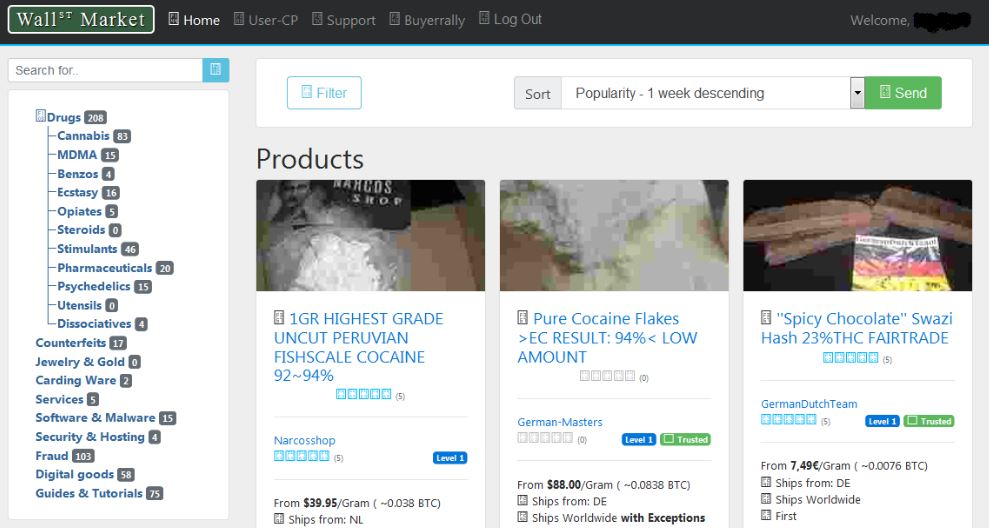
To establish trust in an otherwise anonymous environment, darknet markets implement a reputation system. This system functions as a decentralized feedback mechanism where buyers can rate their experience with a vendor. Key metrics often include:

  • The quality of the product received.
  • The speed and discretion of shipping.
  • The accuracy of the product description.
Vendors with a long history of positive feedback accumulate a high reputation score, which makes their listings more credible and desirable. This creates a self-regulating economic ecosystem where consistent, high-quality service is financially rewarded, and fraudulent activity is quickly identified and marginalized by the community.

Private Shopping with Tor and Crypto

Darknet markets operate exclusively on the Tor network, which provides the foundational anonymity for all participants. Access to these platforms is achieved through onion addresses, unique URLs that are only resolvable by the Tor browser. This system routes all internet traffic through a series of encrypted, volunteer-operated relays, effectively concealing a user's IP address and physical location from the market website and other network observers.

The integration of cryptocurrency payments is a logical extension of this privacy framework. Transactions using currencies like Bitcoin or Monero are pseudonymous by design, and when combined with the network anonymity of Tor, they create a robust financial layer for trade. This allows for direct economic exchange between buyers and sellers without the involvement of traditional financial institutions, which often impose restrictions on personal commerce.

To facilitate trust in an environment without legal recourse, darknet markets implement sophisticated vendor reputation systems. These function as a decentralized mechanism for quality assurance, where past transaction data and detailed buyer feedback are aggregated into a transparent score. This system empowers buyers to make informed decisions and incentivizes vendors to maintain high standards of product quality and reliable service, fostering a self-regulating and efficient marketplace for a wide variety of goods.


Safe and Direct Shopping in the Darknet

The operational foundation of darknet markets is the onion address, a unique identifier that functions exclusively within the Tor network. These addresses are cryptographic hashes, not simple domain names, which prevents their registration or seizure by conventional domain authorities. Accessing a market requires a Tor-enabled browser, which encrypts and randomly routes user traffic through a global network of volunteer-operated relays. This process effectively anonymizes the user's location and identity, creating a private channel for commerce that is resistant to external monitoring and censorship.

This anonymity directly facilitates a peer-to-peer economic model where buyers and sellers can interact without geographic or political restrictions. Transactions are conducted using cryptocurrency payments, primarily Bitcoin and Monero, which provide a decentralized and pseudonymous financial layer. The inherent efficiency of these digital currencies allows for near-instantaneous settlement across borders, eliminating the delays and scrutiny associated with traditional banking systems and enabling a truly global marketplace.

To mitigate the risks inherent in anonymous trade, darknet markets implement a robust vendor reputation system. This is a decentralized feedback mechanism where previous buyers publicly rate their experience based on product quality, shipping speed, and communication.
The system creates a transparent and self-regulating environment where:

  • Trust is built on verifiable transaction history and consistent performance.
  • High-rated vendors gain more visibility and sales, incentivizing honest business practices.
  • New entrants can establish credibility over time through positive customer feedback.
This framework of cryptographic anonymity, decentralized currency, and community-driven reputation collectively enables a secure and efficient platform for the direct exchange of goods, including recreational drugs, which are traded as commodities based on user demand and supplier reliability.

darknet markets onion address

How Crypto Payments Work on the Darknet

The operational foundation of darknet markets is the onion address, a unique identifier accessible only through the Tor network. This architecture ensures that all transactions occur on an encrypted layer, separating user activity from their physical location and identity. The combination of Tor for anonymous access and cryptocurrency for financial transactions creates a seamless environment for direct trade between buyers and sellers.

Cryptocurrencies like Bitcoin and Monero are integral, functioning as the payment mechanism that complements the anonymity provided by the network. Transactions are recorded on a public ledger, but the identities of the parties involved are pseudonymous. This system facilitates efficient, borderless payments without the need for traditional financial intermediaries, which often impose restrictions. The speed and global reach of these transactions significantly enhance the fluidity of commerce on these platforms.

Trust within this anonymous ecosystem is established and maintained through sophisticated vendor reputation systems. These systems allow buyers to leave detailed feedback on their transactions, rating the quality of goods, the speed of shipping, and the seller's communication. A vendor's history and average rating become a transparent and reliable metric for new customers. This feedback loop creates a self-regulating market where reputable vendors are rewarded with more business, fostering a competitive environment that benefits consumers through higher quality services and goods.


How Reputation Builds Trust on the Darknet

The operational foundation of darknet markets is the onion address, a unique identifier accessible only through the Tor network. This architecture ensures that all transactions and communications are anonymized by routing traffic through multiple encrypted layers, effectively concealing the location and identity of both buyers and vendors. The anonymity provided by this system is a prerequisite for establishing a secure trading environment.

Trade on these platforms is facilitated by cryptocurrency payments, primarily using currencies like Bitcoin and Monero. These digital currencies enable direct, peer-to-peer financial transactions without the involvement of traditional banking institutions. The decentralized and pseudonymous nature of cryptocurrency aligns with the need for financial privacy, allowing for efficient and borderless commerce.

Within this anonymous framework, vendor reputation systems become the primary mechanism for building trust. These systems function as a decentralized form of quality control and reliability assurance. After each completed transaction, buyers can leave detailed feedback and ratings on the vendor's profile, commenting on product quality, shipping speed, and communication.

  • A vendor with a long history and thousands of positive reviews accumulates significant social capital, making them a trusted entity within the marketplace.
  • This transparent record of past performance allows new buyers to make informed decisions with a high degree of confidence, mitigating the risks inherent in anonymous trade.
  • The reputation score acts as a powerful economic incentive for vendors to maintain high standards, as negative feedback can directly impact future sales.

The combination of onion addresses for anonymity, Tor for secure access, cryptocurrency for private payments, and a robust reputation system creates a self-regulating ecosystem. This integrated approach allows for the direct connection of buyers and sellers globally, fostering a free market for a wide range of goods and supporting the principles of open and unrestricted commerce.


darknet markets onion address

How Darknet Markets Work

The operational foundation of darknet markets relies on a triad of technologies that facilitate secure and anonymous trade. Onion addresses serve as the unique, encrypted locators for these platforms, accessible only through the Tor network. This routing protocol anonymizes user traffic by encrypting it multiple times and passing it through a series of volunteer-run relays, effectively concealing the user's location and the market's server infrastructure from surveillance.

Financial transactions are conducted using cryptocurrencies, primarily Bitcoin and Monero. These digital currencies enable pseudonymous payments, where the transfer of funds is recorded on a public ledger but the identities of the transacting parties are obscured. This method provides a layer of financial privacy that traditional banking systems cannot offer, making it ideal for the darknet ecosystem.

To mitigate the inherent risks of anonymous trade, such as fraud, markets implement a vendor reputation system. This framework operates on user-generated feedback and ratings for each completed transaction. A vendor with a long history of positive feedback and successful sales builds a high reputation score, which acts as a trust signal for potential buyers. This system creates a self-regulating economic environment where consistent reliability is rewarded with more business, encouraging honest trade practices.

The combination of these elementsonion addressing for anonymity, cryptocurrency for private payments, and reputation systems for trustcreates a resilient framework for a free market. It allows for the unrestricted exchange of a wide range of goods by ensuring participant privacy and establishing a mechanism for accountability directly within the platform.


How Darknet Markets Build Trust and Privacy

The operational foundation of darknet markets is the onion address, a unique identifier accessible only through the Tor network. This technology routes internet traffic through several encrypted layers, effectively anonymizing the user's location and identity. This system enables participants to engage in trade without exposing their IP addresses or personal details, creating a secure environment for commerce.

Transactions on these platforms are conducted using cryptocurrencies like Bitcoin and Monero. The decentralized and pseudonymous nature of these digital currencies complements the anonymity provided by Tor. Payments are made directly between the buyer and seller, or are held in escrow by the market until the transaction is finalized, ensuring that financial interactions leave no traceable bank records.

To facilitate trust in an otherwise anonymous space, darknets employ sophisticated reputation systems. Vendors accumulate ratings and detailed feedback from previous transactions. This creates a transparent record of their reliability and product quality. New buyers can make informed decisions based on this collective experience, which promotes honest business practices and reduces the risk of fraud. The combination of these elementsonion addressing for anonymity, cryptocurrency for private payments, and vendor reputation for accountabilityestablishes a robust framework for unrestricted global trade.


darknet markets onion address

How Darknets Enable Free Trade

The operational framework of darknet markets is fundamentally built upon the integration of onion addresses and the Tor network. This combination provides the necessary anonymity for both buyers and sellers to engage in trade without revealing their physical location or identity. Accessing a market through its unique .onion address via the Tor browser effectively encrypts and routes traffic through multiple volunteer-run servers, obscuring the user's IP address and making surveillance exceptionally difficult.

This anonymous environment is further secured by the use of cryptocurrency payments, primarily Bitcoin and Monero. These digital currencies facilitate direct, peer-to-peer financial transactions that are not tied to traditional banking systems. The decentralized and pseudonymous nature of cryptocurrency allows for efficient and borderless payments, completing the cycle of anonymous access with anonymous finance.

To establish trust in a setting where legal recourse is absent, darknet markets implement sophisticated reputation systems. Vendors build their credibility over time through consistent performance, which is quantified by buyer feedback and ratings. This creates a self-regulating economy where high-quality vendors are easily identifiable and financially rewarded, while unreliable actors are marginalized. The system empowers consumers to make informed decisions based on collective experience, fostering a competitive marketplace for a wide variety of goods and supporting the principles of open and unrestricted commerce.